
What If AI Could Protect Itself Like the Human Immune System?
Imagine an AI system that detects threats, responds in real time, and learns to defend itself against future attacks—just like our immune system does. As AI systems become more complex and integrated into critical industries, the need for robust security and reliability has never been greater. Enter Artificial Immune Systems (AIS), a bio-inspired approach to AI governance that ensures resilience, adaptability, and protection against emerging threats.
Why AI Systems Need AIS
AI-powered operations in sectors such as finance, healthcare, logistics, and energy face significant challenges including Cybersecurity Threats (AI systems are prime targets for cyberattacks, data breaches, and adversarial manipulation), Operational Failures (unexpected issues from faulty data inputs, system overloads, or algorithmic errors), and Regulatory Compliance (industries must ensure AI-driven processes align with evolving legal and ethical standards).
How Artificial Immune Systems Work
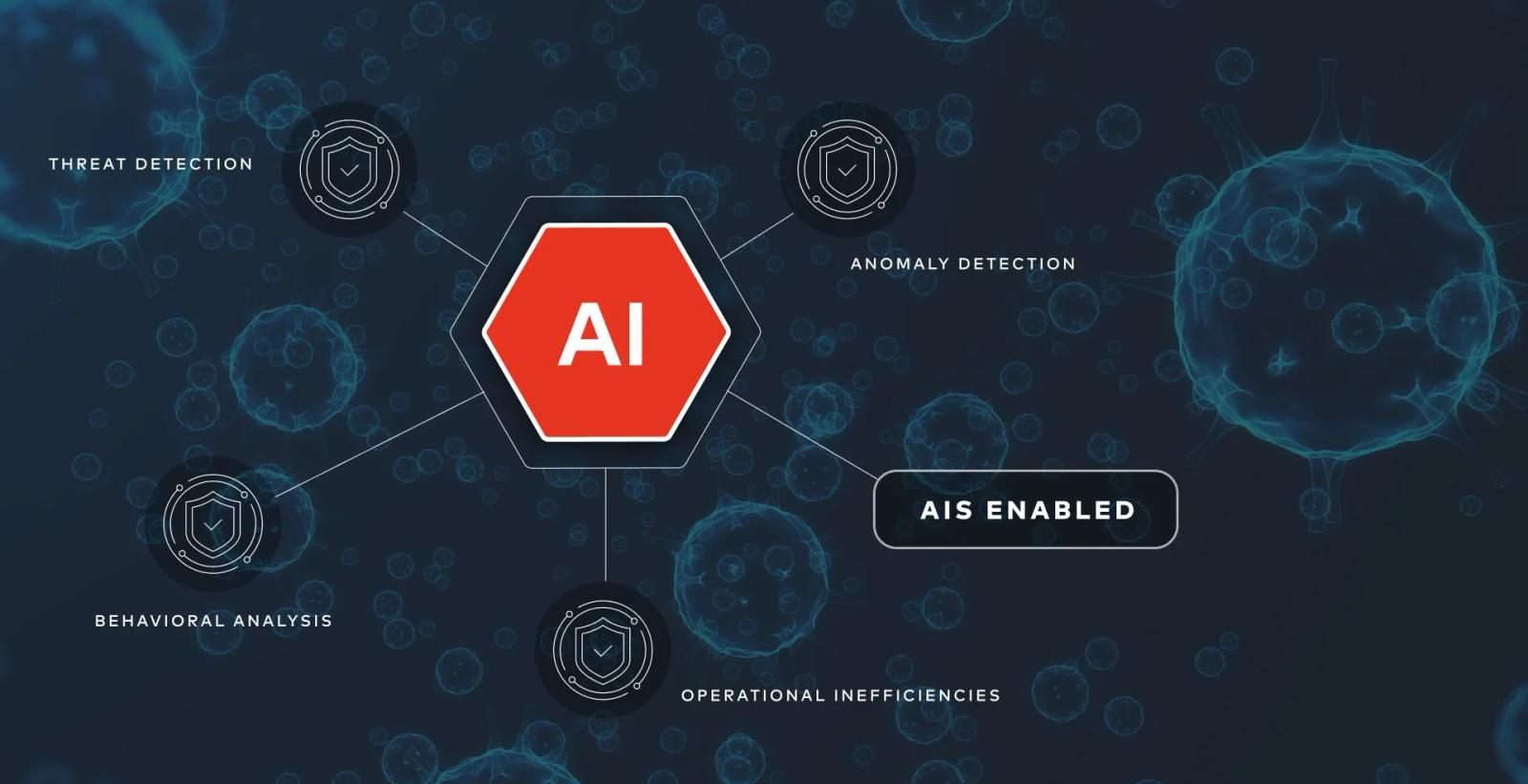
AIS operates on principles inspired by biological immune systems: Threat Detection and Learning (continuously scans AI environments, learning from patterns), Self-Healing Capabilities (helps AI systems evolve and become more resilient), and Behavioral Analysis (monitors AI agents over time to understand typical behaviors).
Key Applications of AIS Across Industries
Healthcare: AIS protects sensitive patient data and ensures AI-driven diagnostic systems remain reliable and compliant with HIPAA and GDPR. Finance: Financial institutions leverage AIS to detect fraudulent transactions and prevent system vulnerabilities. Logistics: AIS safeguards AI-based route optimization systems. Critical Infrastructure: AIS helps utilities monitor grid performance and defend against cyber intrusions.
The Benefits of Implementing AIS
Proactive Threat Mitigation prevents issues before they escalate, reducing downtime and financial losses. Enhanced System Reliability ensures AI-driven operations remain consistent, secure, and trustworthy. Regulatory Assurance helps businesses stay compliant with industry regulations by maintaining secure AI environments.

Jared Huke
Founder