
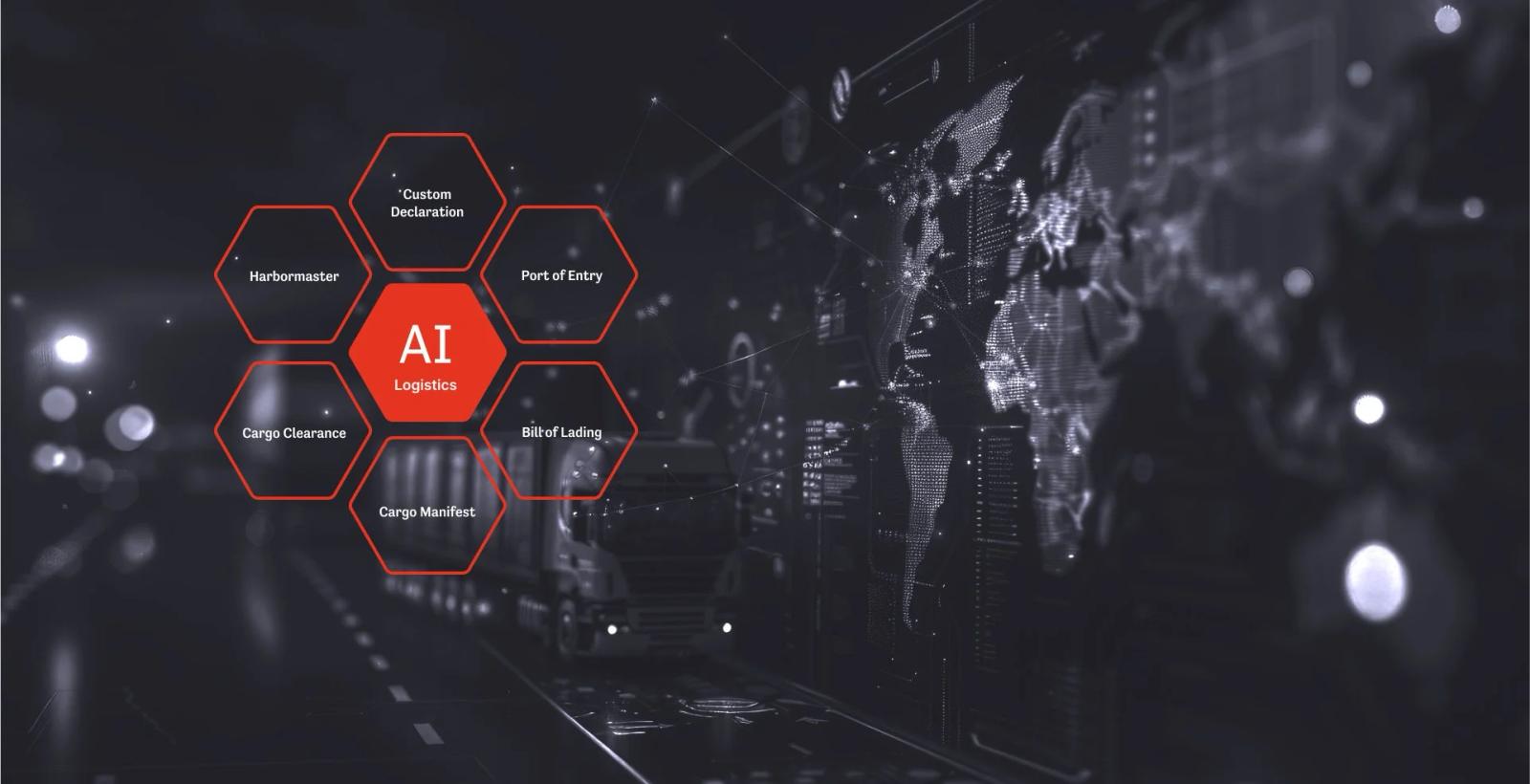
The logistics landscape is evolving rapidly, and artificial intelligence (AI) is no longer an option—it's a necessity. AI-driven multi-agent systems are transforming global supply chains by optimizing operations, reducing costs, and improving decision-making.
AI's Impact on Logistics
AI's impact spans critical areas: Route Optimization (AI analyzes traffic, weather, and fuel costs in real time), Demand Forecasting (advanced algorithms predict market fluctuations for smarter inventory management), Warehouse Automation (AI improves accuracy and efficiency in storage and fulfillment), Compliance Management (intelligent agents ensure regulatory adherence), and Predictive Maintenance (AI monitors equipment performance to identify potential failures).
Balancing AI and Human Expertise
Despite the increasing sophistication of AI, human oversight remains vital. Over-automation can lead to skill degradation and disengagement. Successful AI integration focuses on augmenting human capabilities—not replacing them. Thoughtful design ensures that AI serves as an intelligent assistant, keeping operators informed and engaged.
The Future of Logistics
As AI continues to evolve, the logistics industry will benefit from greater automation and intelligence. Technologies like artificial immune systems (AIS) will enhance supply chain security, while spatial computing platforms like Apple's Vision Pro will provide immersive control over complex operations. The future is a seamless collaboration between AI and human expertise.

Jared Huke
Founder